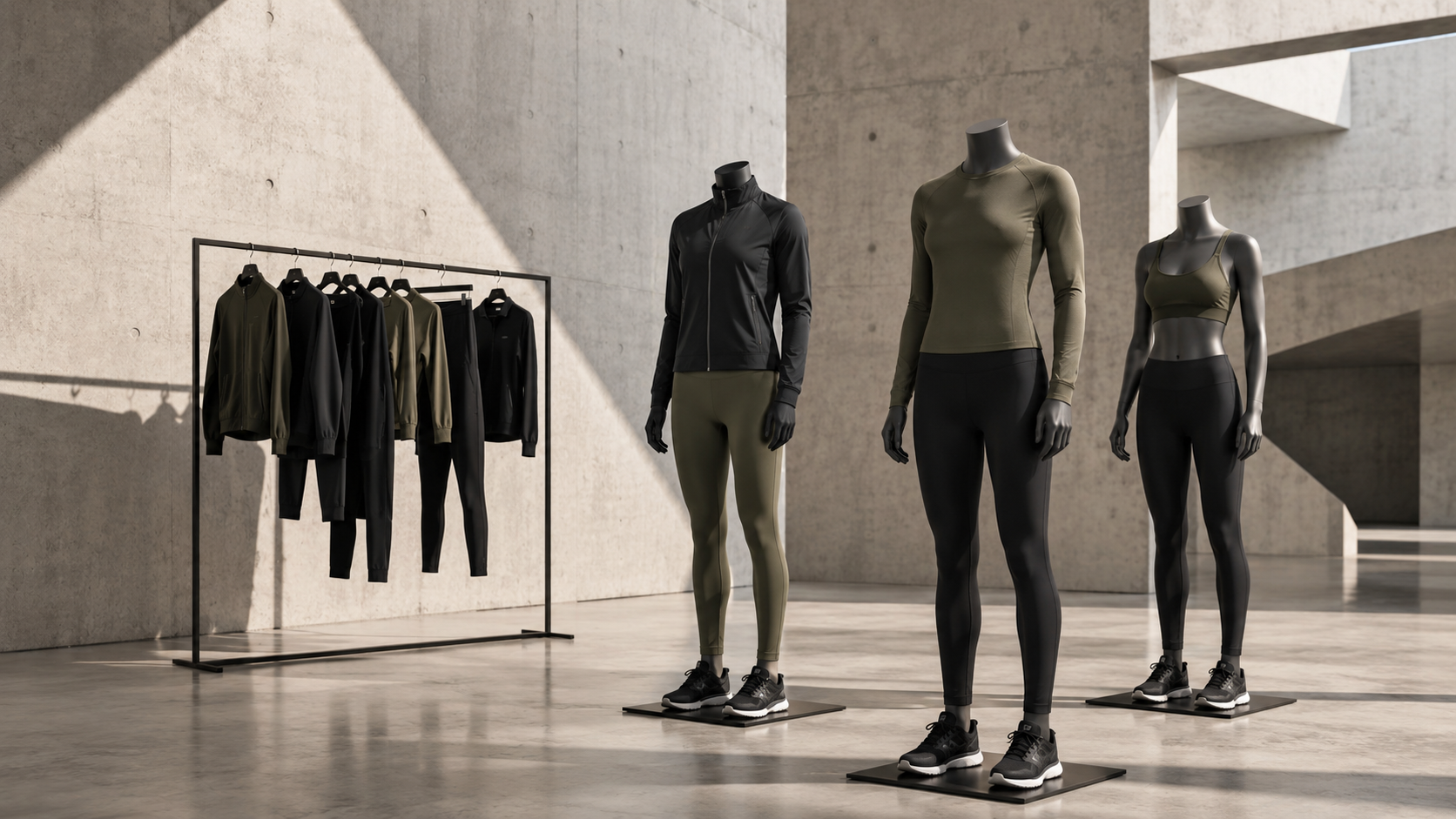
Turning apparel trends into manufacturable products
How sourcing teams can translate trend signals into fabrics, construction, fit and commercial decisions.
DIRECT ANSWER
Use trends as evidence of changing customer needs, then translate them into measurable requirements for user, occasion, silhouette, material, risk, price and selling window.
Separate signal from styling
A color may disappear quickly while shifts such as versatile layering or softer structure can influence several seasons. Identify the customer need behind the visual signal.
Write a product hypothesis
State who the garment serves, when it is worn, what problem it solves and why it will be chosen.
Engineer the commercial version
Map the idea to fabric availability, MOQ, construction time, testing, margin and delivery. Remove risk that adds no customer value.
Validate before scaling
Use prototypes and a limited first run to test fit, hand feel, styling and demand, then record learning for the reorder.
Frequently asked questions
How should a brand use trend reports?+
Treat them as inputs, then validate relevance to customer, price, delivery window and production capability.
What makes a trend manufacturable?+
Defined materials, construction, fit, quality criteria, target cost and a realistic sourcing timeline.